Privacy policy
/en/ruDesign as the rules of the game

12 Oct

What a brand platform can tell a product team

We’re continuing our series on how brand and product are connected, and how a brand’s image shapes what happens in the product later on.

A call, two hours discussing a new feature. The designer suggests gamification because it works for competitors. The product manager is against it: “that’s not us.” The founder says “let’s do AI, everyone’s doing AI.” Each of them is right in their own way, and no one can explain why.

Six months of decisions like that and the product turns into everything-everywhere-all-at-once. Each feature is fine on its own, but together it’s unclear what the product is. An app that promised calm sends five push notifications a day. A service “for insiders” talks like a bank (and not a cool one).

And all the while the company may have a brand platform. Everyone approved it once, but no one understood how to make decisions with it.

In the article “How brand meanings become product decisions” we traced the path from meaning to specific mechanics and metrics. Now let’s look at how to test ideas and their execution so that the product confirms the chosen brand image. There’s a filter for that.

How the filter works

You’ll need three things from the brand platform:

  • the brand essence — the idea everything else follows
  • the brand role — the position you take beside the person
  • the core audience — the people the product exists for, in a specific situation.

Each element has its own question. To get a meaningful answer, we go through a chain:

What’s defined → what it means for how the product behaves → how it shows in the solution.

As an example, let’s take an app for meeting up with friends. It helps turn “we should all get together sometime” into a specific time and place.

The team proposes a new feature: personal recommendations on where to go. Let’s run it through the filter.

Brand essence: does it strengthen the idea or blur it?

What’s defined. Meetups that actually happen. From “we should all get together sometime” to “see you Saturday at 8.”

What it means for the product. Recommendations should help people agree. Inspiring yet another “oh, we have to go here too!” isn’t enough.

How it shows in the solution. A short selection for a specific meetup instead of an endless feed. From the selection you can pick a place, vote and confirm the plan. Every recommendation has a next step that brings the meetup closer.

Brand role: are we acting within our role or stepping out of it?

What’s defined. That one friend who gets everyone together. Posts in the chat “ok, Saturday, 8 pm, here’s the place. who’s in?” Takes on the organising and respects other people’s plans.

What it means for the product. The product can collect answers, suggest options and remind people to choose. But deciding for the group or pushing those who haven’t replied yet is a different role.

How it shows in the solution. Participants see when they need to reply by. A reminder can be snoozed, an invitation declined without explanation. After a “no,” the product doesn’t keep writing “We’re only waiting for you.”

The role works much like in real life. A friend who helps get everyone together and a friend who bosses everyone around are different relationships. So we don’t rewrite the role to fit a feature we like. We look for an execution that fits the role.

Audience: does it work for the core at the decisive moment?

What’s defined. Groups of friends whose plans die in the group chat. The decisive moment: everyone replied “yes, let’s!”, and nothing happens. Everyone bailed.

What it means for the product. Recommendations should take everyone in the group into account. A place may be perfect for one person, but too far for another, a bit pricey for a third, and the fourth is only free in the evening. The product needs to help friends find an option that works for all.

How it shows in the solution. Everyone states a convenient time, area and budget, and AI picks places that meet those conditions. If there’s no match, it shows where a compromise is needed. The group discusses concrete options instead of figuring out in the chat what suits whom.

The bottom line

The filter has three answers: fits, doesn’t fit, and needs work. An idea doesn’t have to be dropped right away — you can change how it’s done. That’s what happened here: the recommendations stayed, but instead of a feed for inspiration they became a selection that helps the group finally meet up.

Use these questions when discussing features and contested scenarios. Then instead of “that’s not us” you’ll have a concrete argument: what contradicts the chosen image and what needs to change.

Fitting the brand doesn’t yet guarantee that a feature will be in demand. But it gives the team a common ground for choosing an execution, which can then be tested with the feature’s users.

Questions or thoughts on this? Write to us at hi@skip.design
Leave your e-mail,
and we’ll set up a call

|

E-mail addresses use Latin letters only

I give my consent to the processing of personal data
in accordance with the 

Visual systems fromstrategic ideas

Recent projects
Dirty Hands1 / 2

Dirty Hands

Web

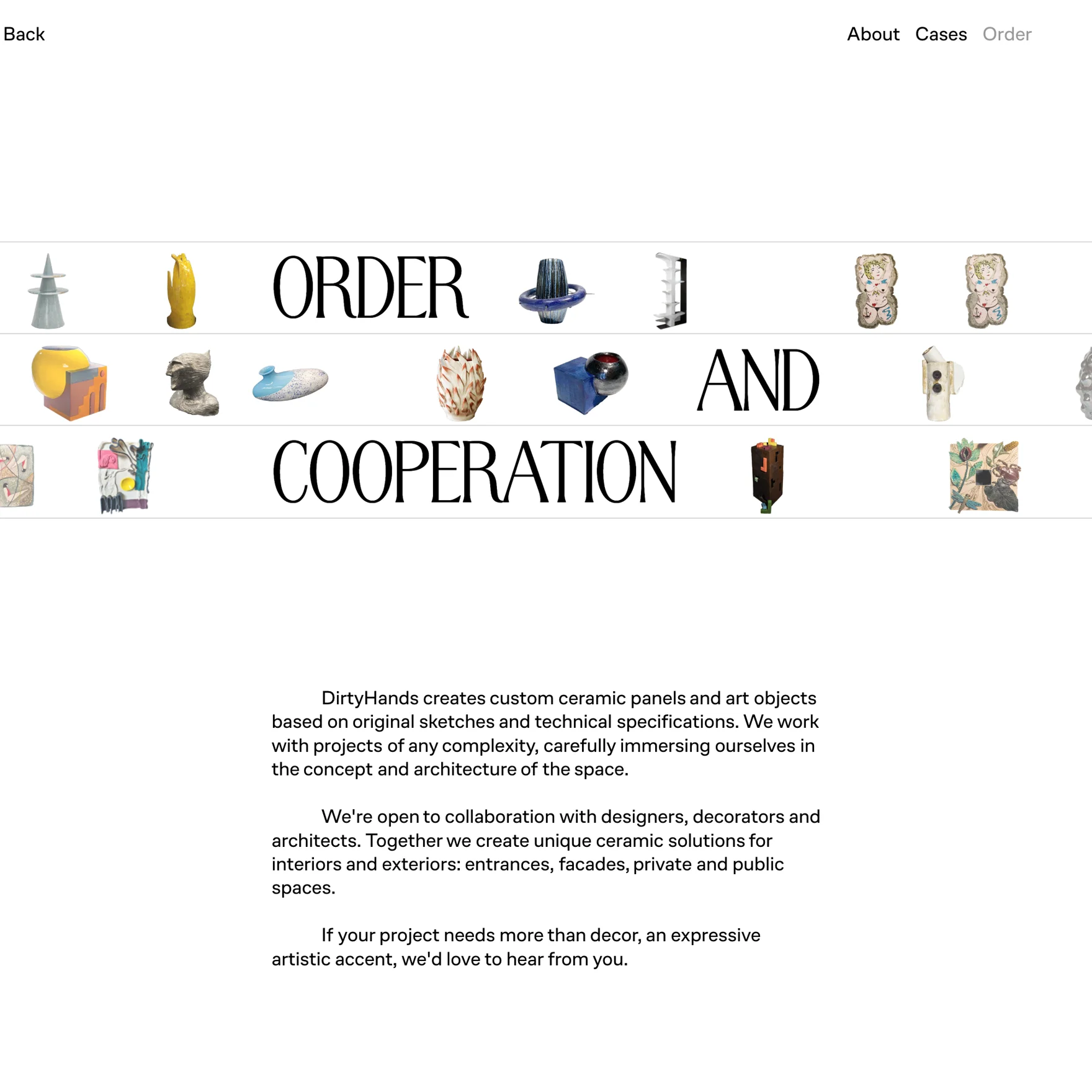
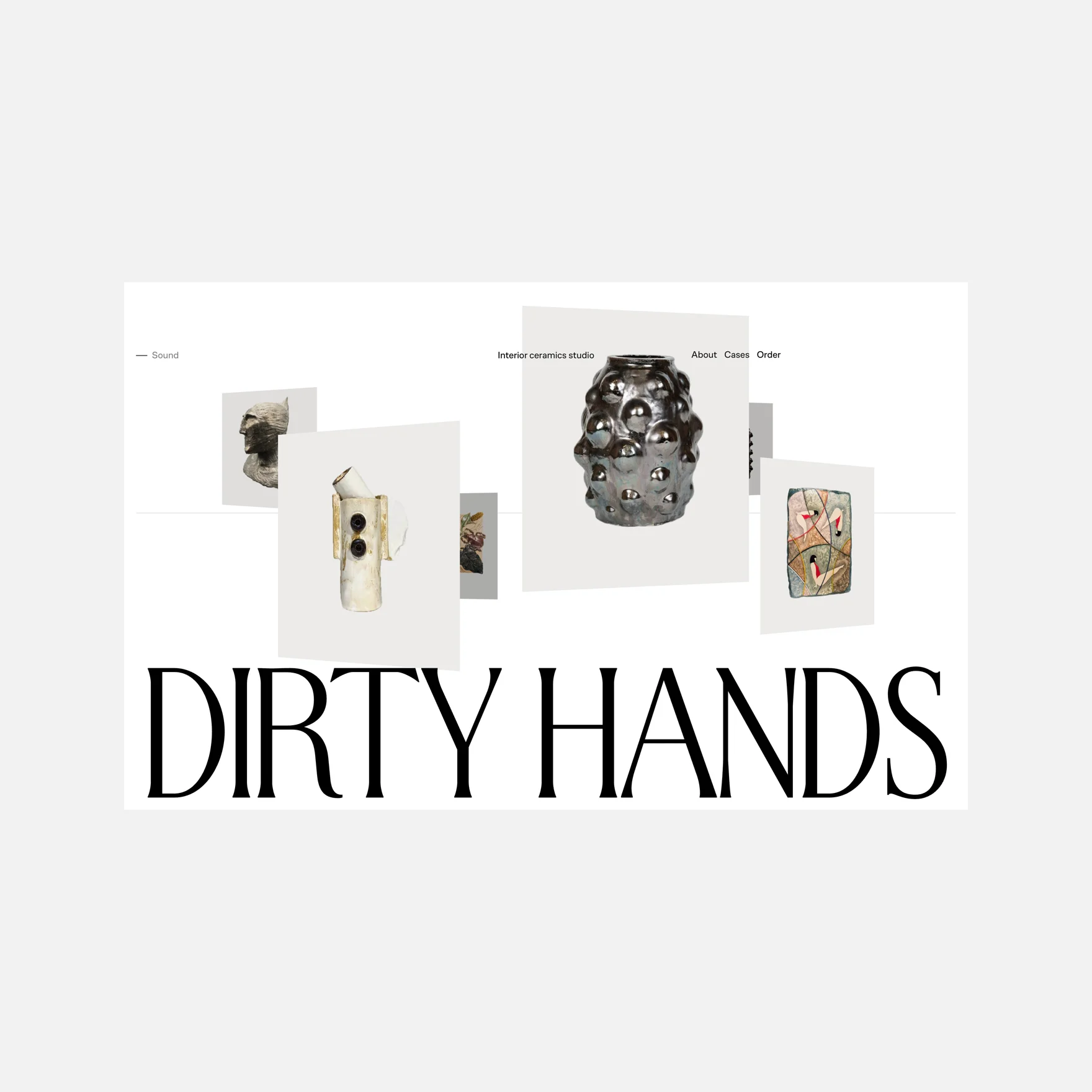
The website of an interior ceramics studio. Nominee, CSS Design Awards

Magic Moon

Magic Moon

Branding

Branding for a goal-tracking and meditation app

Senior*s bar
AE Platform

AE Platform

Product

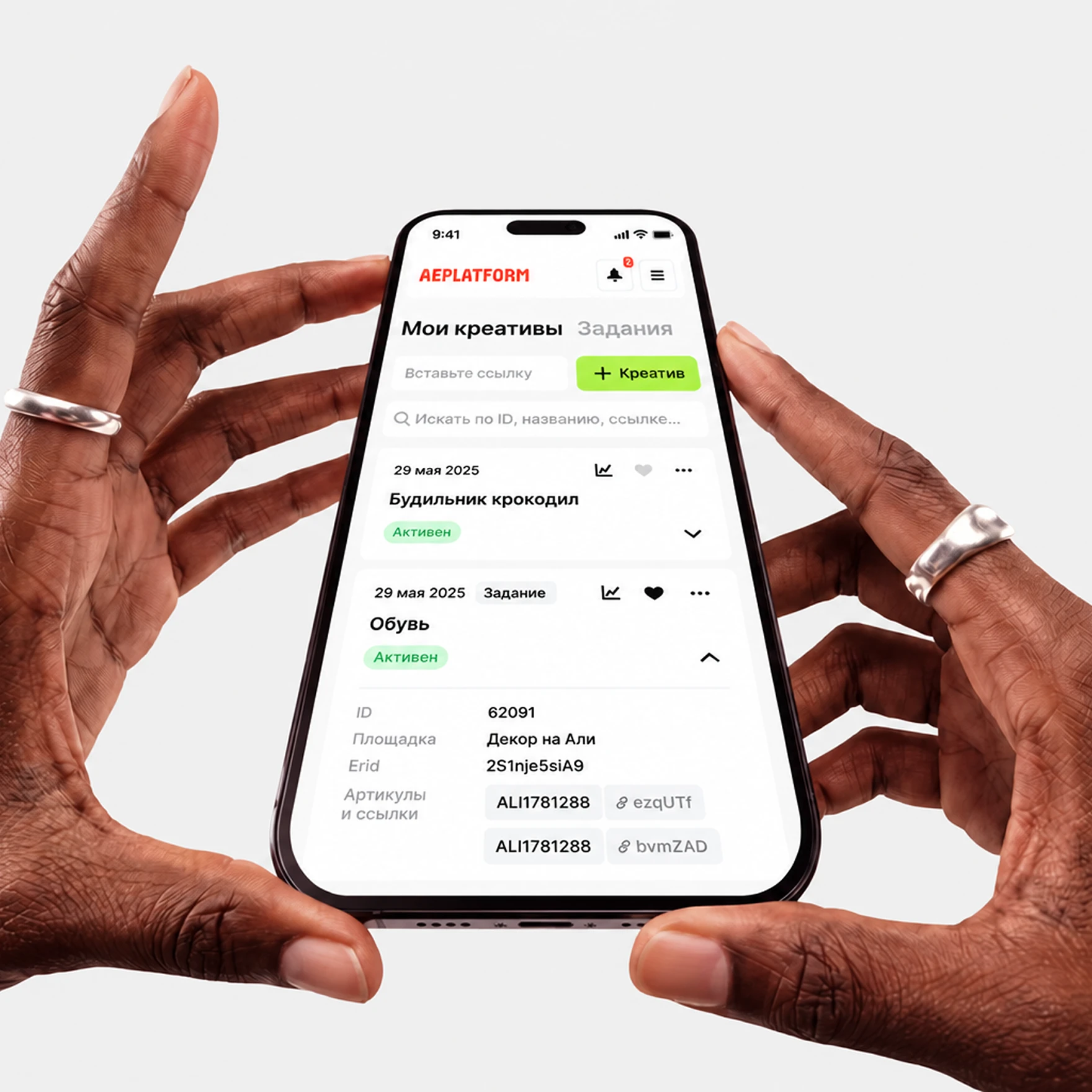
Thousands of AliExpress partners on one B2B platform

AliExpress plugin

AliExpress plugin

Product

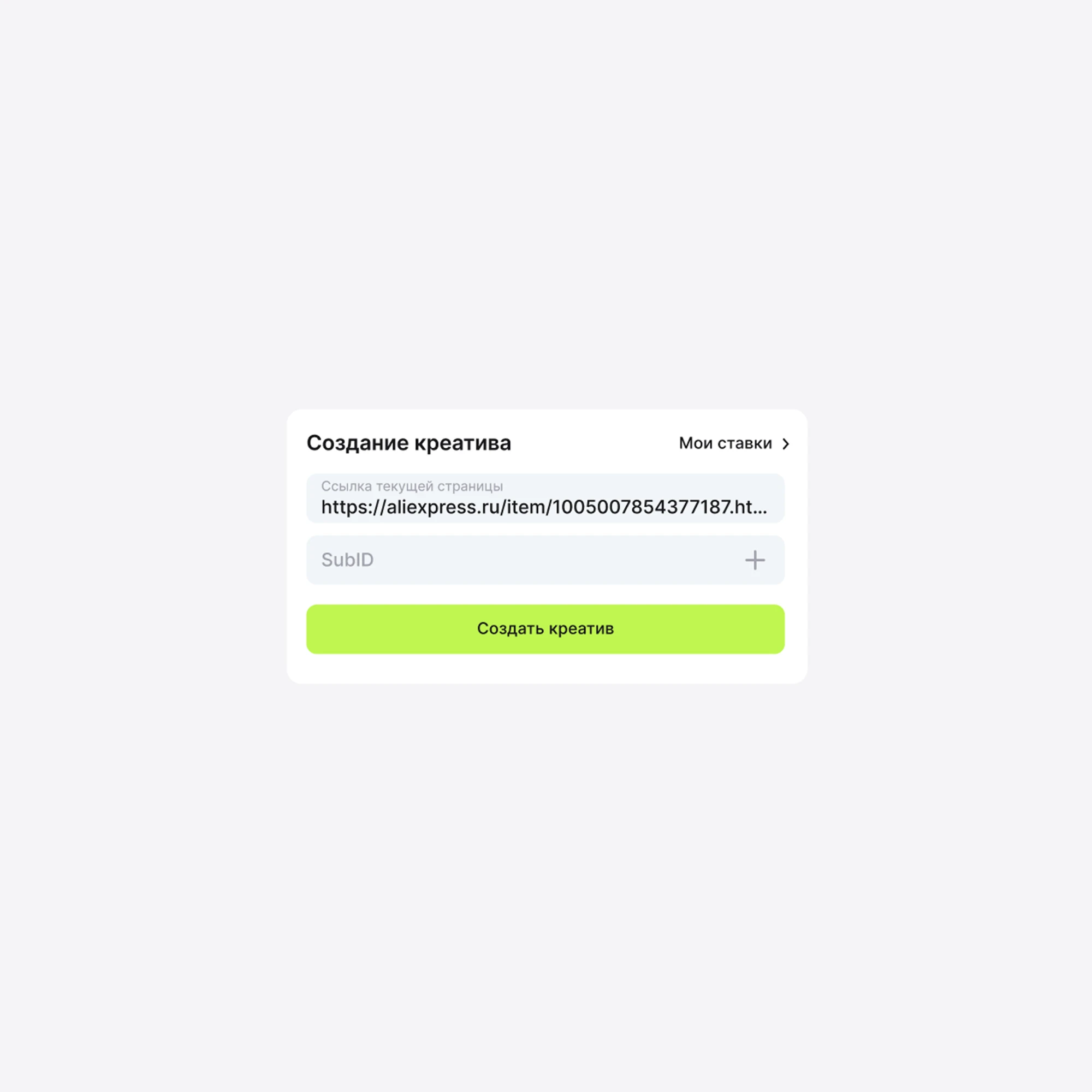
A browser extension that shows affiliate data right on AliExpress

We get brands ready to grow: from the strategic idea to the visual system

✻

◊

⌘

✻

Branding

Brand strategy

Research

A brand doesn’t exist in a vacuum: there’s always a context the company lives and grows in. People, the market, industry trends — all of it shapes perception.

We’ll research the market, competitors and audience and help you find your points of difference, take a strong position and become clearer to people.

Brand platform

A brand without a platform is a set of random decisions: sales say one thing, marketing does another, the product a third. The brand ends up looking and sounding like five different people instead of one.

We’ll help you pull all the meanings together and put the essence into words: who you are, why it matters and what sets you apart. With a brand platform it’s easier to make consistent, sound decisions — from naming to changes in the product.

Naming and registration

You can fall in love with a name at a brainstorm and later find out it clashes with the strategy or can’t be registered.

We’ll offer you name options, narrow the long list down to a short one, and check linguistics and perception. Our lawyer will check the name against the registries and take the trademark registration all the way to its certificate.

Brand identity

Visual system

An identity without a system turns into a set of random decisions. Every new design task — a banner, a presentation, packaging — starts from scratch and depends on the taste of whichever designer gets it. Over time the brand loses its integrity and recognisability.

We’ll develop a strong visual concept grounded in the brand’s strategic idea and build it into a system with clear rules. Your team can make design decisions quickly and confidently, and the brand stays recognisable on any medium.

Logos

To us a logo isn’t a standalone object but part of the identity. It has to live within a system: work together with type, colour and graphics, and stay recognisable at any size — from an app icon to a shop sign.

We’ll create a logo that becomes a natural part of your visual system, and help register it as a trademark: our team includes a lawyer who will check the mark against the registries and take the registration all the way to its certificate.

Automation

Templates and tools

We’ll help bring the system into everyday work. First we study the environment your marketing lives in, then prepare templates for presentations, posts, proposals and other documents in the tools your team already uses. We work with AI, so the materials get made faster.

New materials get made faster, and the quality stays consistent.

Design support

As a brand grows, so do its design tasks: ad campaigns, pitch decks, marketing materials. Hiring a separate specialist for each is slow and expensive.

We’ll assign a team of designers and a manager to your tasks. You get not one skill set but several: each task goes to a designer with the right expertise. Results in 24–72 hours, depending on the task.

The minimum package is 40 hours a month, covering the designers’ and the manager’s work.

◊

Web

Information architecture

Prototyping

A website without a well-thought-out structure is a set of pretty blocks that don’t answer the visitor’s questions or lead them anywhere.

We’ll design the prototype together with a strategist, taking the brand’s meanings into account and analysing your current site if you have one. Every page and every block gets its own job, so nothing in the structure is left to chance.

Editing

When needed, we bring in an editor who works with texts in Russian and English. We can keep looking after your content afterwards too, on a contract basis.

Web design

Landing pages and promo

Whether it’s a one-page landing or a large corporate website, to us it’s one of the brand’s main carriers and a key point of contact with its audience.

We bring strategy, design and development into one process to launch faster and keep the quality up at every stage.

Special projects

We make unconventional digital formats: promo sites, interactive stories and game mechanics.

For each task we build its own system of visual and interactive solutions that helps it stand out and solve a specific business goal. We pay special attention to the narrative.

Corporate websites

A corporate site is the company’s shop window for clients, partners, investors and future hires. It has to explain the business, earn trust and grow with the company.

We’ll work out a structure for every audience, build a system of pages and set the site up so your team can add news, vacancies and projects on its own.

Launch and support

No-code

You don't always need development from scratch: a site built on a platform ships faster and costs less, and the team keeps editing it on its own.

We work on almost all the popular builders: Tilda, Webflow, Readymag and others. We pick the platform for the task and build the site so it's easy to maintain after us: a clear structure, tidy blocks, a guide for your team.

Vibe-code

When you need to show an idea fast, not after months of approvals, a site can be vibe-coded.

We'll put a landing page together faster than usual and hand over the source files with micro- and macro-animations. We make festival projects the same way: fast and at a high level, with attention to detail and motion.

Support

A site needs an owner who makes sure it doesn't fall apart. Often there isn't one: the contractor has left and the team is afraid to touch anything.

We can take the site over: run an audit, draw up a backlog of improvements and take on the support completely.

⌘

Product

Product Vision

Product vision

Without a shared vision a product grows in every direction at once: each team pulls its own way, and the backlog turns into a wish list.

We’ll put your product vision into words: who the product is for, what problem it solves and what it should become in 2–3 years. We’ll tie it to the brand platform so the product and the communication say the same thing. With a vision it’s easier to set priorities and let go of what doesn’t matter.

Customer development

It’s easy to mistake assumptions about users for facts — and spend months on features nobody needs.

We’ll run in-depth interviews with your customers and with people who haven’t become customers yet: write the guide, recruit respondents, talk to them and pull the findings together. You get a map of the audience’s real jobs, pains and motives — with quotes and recommendations on what to do next with the product and the communication.

UX/UI

Apps and platforms

We’ll help launch a digital product. We design b2b platforms and admin panels, and take on the day-to-day tasks — structured and to the point.

Design libraries and support

We create Figma libraries, brand books and guides the team actually uses. We document the principles so that both people and AI tools understand them.

Trusted by

AliExpress

Yuri Muradyan

Gate Legal

Senior*s bar

AliExpress

Yuri Muradyan

Gate Legal

Senior*s bar

Leave your e-mail,
and we’ll set up a call

|

E-mail addresses use Latin letters only

I give my consent to the processing of personal data
in accordance with the